A version of this article appeared previously on Ancient Origins. While slightly peripheral to the faerie phenomenon, it does seem that the study of prehistoric rock art may provide some evidence that our ancient ancestors were interacting with faerie-type entities, and were doing so by altering their states of consciousness.
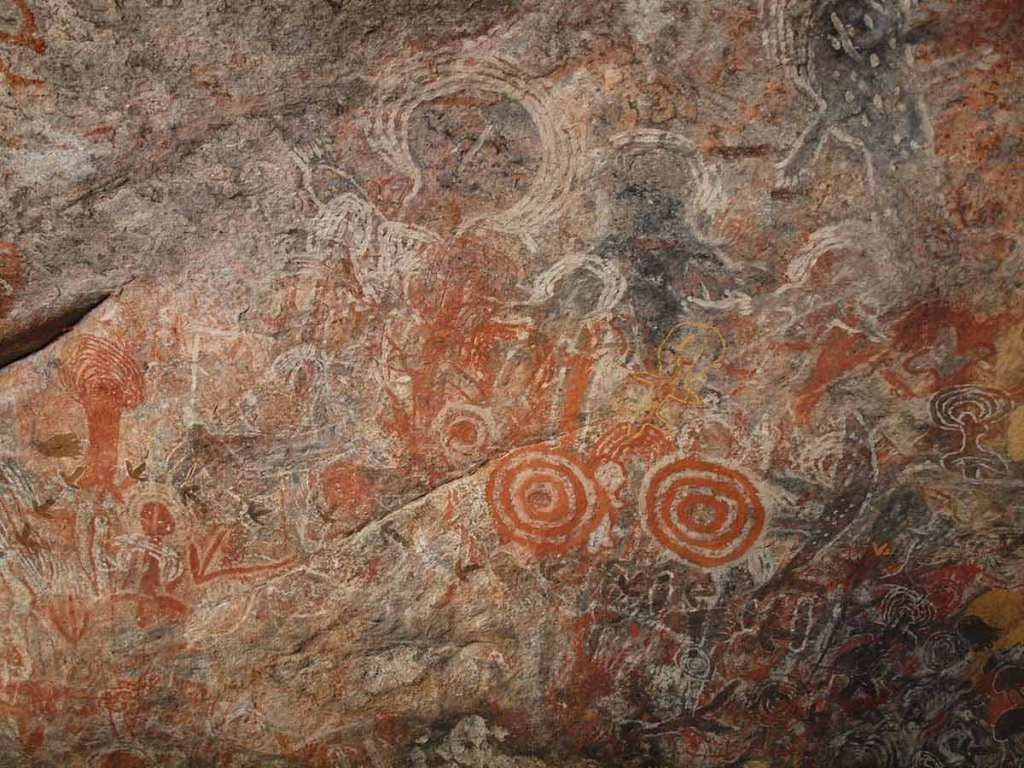
Throughout the world, prehistoric and pre-industrial shamanic cultures have rendered painted imagery onto rock faces; often in deep cave systems but also in above-ground shelters. This ‘rock art’ ranges in date from Palaeolithic designs in Europe, Australia and Asia through to the near-contemporary images of the San culture in southern Africa and the designs of indigenous cultures of North America and the Amazon basin. Until the mid-20th century the consensus anthropological view was that the rock art — while probably having magical meaning to the people who painted it — represented scenes from the natural environment, such as people, animals and landscapes. But as a greater anthropological understanding of indigenous shamanism developed, most especially through the work of Mircea Eliade and his 1951 publication Shamanism: Archaic Techniques of Ecstasy, a new awareness evolved that the rock art produced by indigenous cultures might be the artistic result of shamanic processes, preeminently those brought about by inducing altered states of consciousness. This was mainstreamed in 1988 by the anthropologists David Lewis-Williams and Thomas Dowson in their paper for Current Anthropology: ‘The Signs of all Times: Entoptic Phenomena in Upper Palaeolithic Rock Art’, where they advance a neuropsychological model for analysing the motifs of parietal art of this period, proposing that the geometric images are in fact artistic representations of universal optical patterns, intrinsic to the human visual system, once perceived by our shamanic ancestors during altered states of consciousness. The most important element of this model is the entoptic imagery displayed in the rock art and how it matches closely the geometric patterns seen by people in modern clinical conditions who have altered their state of consciousness.
The Entoptic Model
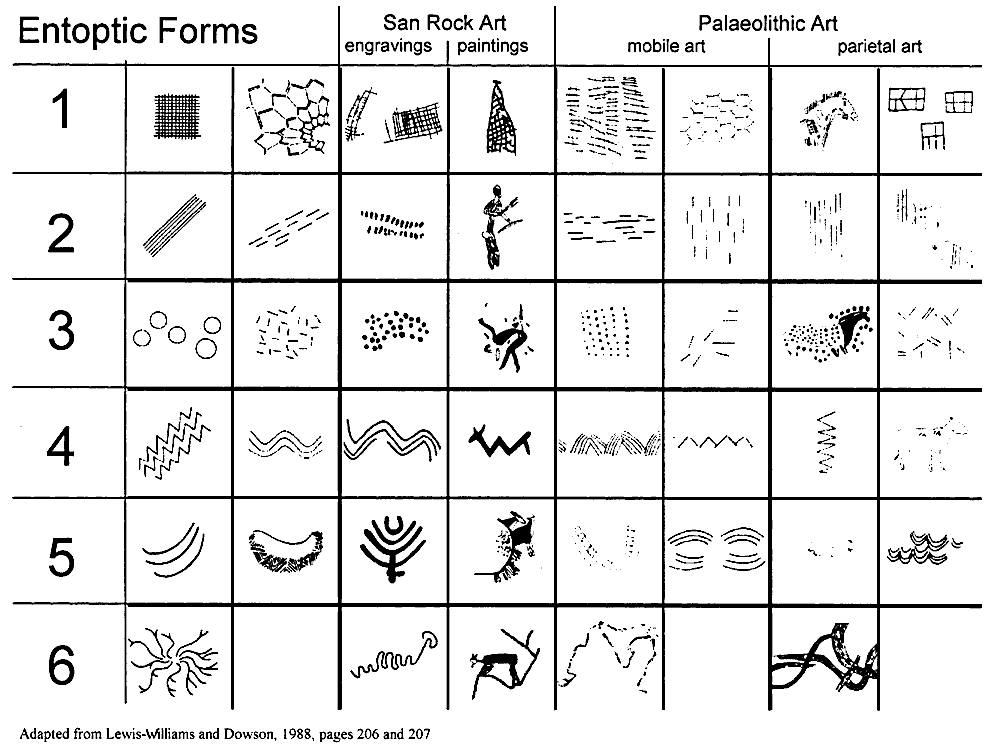
The word ‘entoptic’ derives from the Greek ἐντός ‘within’ and ὀπτικός ‘visual’. Entoptics usually consist of geometric patterns seen as overlays in the visual horizon. These patterns may be an array of dots, parallel lines, labyrinths, zig-zags, waving lines, etc. Sometimes they appear detached from the visual surroundings while at other times more integrated. Entoptics are usually experienced during altered states of consciousness, which may be achieved through a variety of means. The best evidence for the consistency of visual entoptics comes from clinical trials (from the 1950s onward), which analysed subjective narratives of people administered a variety of psychedelic substances. Many of these narratives described the geometric entoptics as antecedents to deeper experiences, as if they were a geometric gateway to the main substance of the experience. The entoptics were, in effect, neuropsychological codes for signalling change in the state of consciousness.
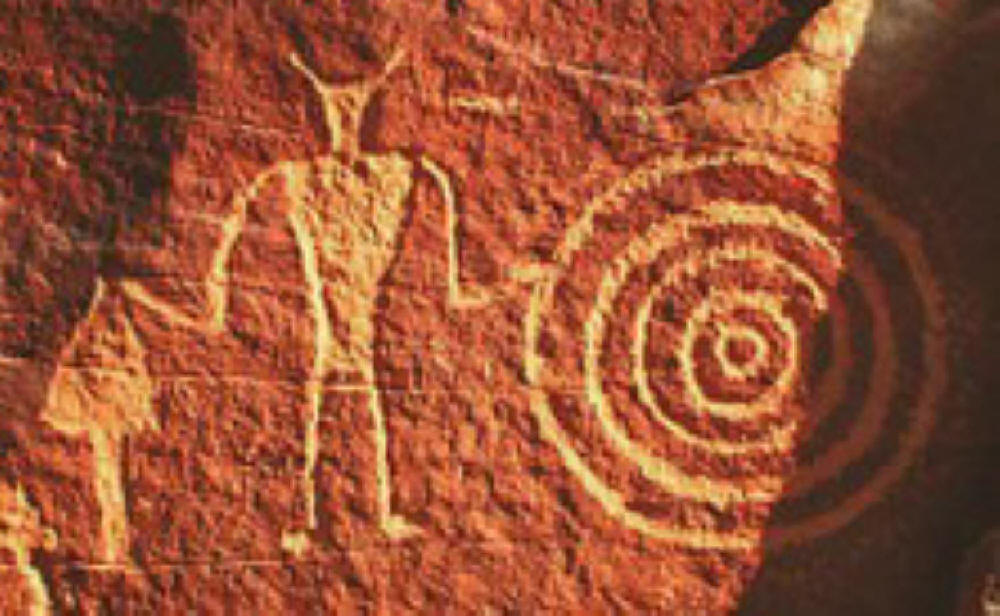
Lewis-Williams and Dowson’s model took sketches made by people experiencing consciousness modification via psychedelic drugs in clinical trials and applied the imagery to the rock art produced by indigenous tribal communities in modern day South Africa, the Amazon and by the Native American Shoshonean Coso culture of the California Great Basin. The geometric images demonstrated extensive similarities. The rock art contained many of the geometric motifs recorded by modern trial results. These entoptics appeared to be some universal code, experienced and recorded by both modern-day psychonauts and people in indigenous communities experiencing altered states of consciousness through a variety of methods. Because the San and Coso indigenous peoples are verifiable shamanistic cultures, able to describe the meaning of the rock art of their immediate ancestors from personal viewpoints, Lewis-Williams and Dowson took their descriptions of entoptics at face value. Whether through the consumption of psychedelic compounds or dancing in a ring for hours (the San’s primary way of entering an altered state of consciousness), people in these cultures were entering a divergent reality and sometimes they recorded this reality in rock art. A lot of this was composed of entoptic imagery.
An intensive study of this rock art by Lewis-Williams and Dowson suggested that comparisons might be made to Palaeolithic parietal art in Europe. In their 1988 paper they compared rock art (primarily in caves) from Upper Palaeolithic Europe to the San and Coso examples, as well as against the data from modern clinical trials where entoptics were reported. Using a large dataset, they found a tight correlation between the styles of entoptic designs in their African and American examples and those from the caves of Europe dating between 20 and 30,000 BCE. The rock art contained all six of the coded entoptic patterns, as designated from the clinical studies. While not universal in Palaeolithic parietal art, entoptic designs do form part of a majority of the imagery. This allowed Lewis Williams and Dowson to profile their neuropsychological model as an interdisciplinary explanation for entoptics, whether recorded as experiential reports from a modern clinical trial or in Palaeolithic rock art. With the oral testimonies and relatively recent rock art from the San and Coso cultures, both of which are shamanic and use various techniques to alter states of consciousness, the dataset allowed a testable model, which might help bridge a gap of tens of thousands of years.
Lewis-Williams and Dowson assumed four main elements to their model: 1. Entoptic phenomena occur universally in altered states of consciousness; 2. The people producing rock art used one or more techniques for altering states of consciousness; 3. A quantity of Upper Palaeolithic rock art represents the entoptic phenomena experienced during altered states of consciousness; 4. The visual content during an altered state of consciousness may vary with the cultural context but the basic features of the experience, such as entoptics, are a universal and have been repeated through time.
This model does sit well with the evidence presented by Lewis-Williams and Dowson. But introducing the known phenomenon of entoptic visuals in an attempt to explain the previously indecipherable geometric painted patterns from distant prehistory represents a radical reinterpretation of the rock art data. It appeared as if there were a genuine link between shamanic cultures separated by tens of thousands of years and altered states of consciousness, which might be experienced by anyone, at any time, if conditions are met. But as with any model that challenges the mainstream orthodoxy it has been challenged.
The Kickback to the Entoptic Model
Using ethnographic techniques to attempt building a new model to breach the gap between Palaeolithic culture and ours was always going to cause controversy. Two of the academics who have criticised the Lewis-Williams/Dowson model are Paul Bahn (archaeologist) and Patricia Helvenston (psychologist). Their main contention is that we cannot know what sort of shamanism was practiced in the Palaeolithic period and that projecting ethnographic data back tens of thousands of years is invalid. They also contend that there is no evidence of psychotropic plants in the European Upper Palaeolithic, and that therefore there was no recognisable substance that could be used as a means for altering consciousness states, as would be necessary to adhere to Lewis-Williams and Dowson’s model. Their former point has some substance. Any attempt to explain Palaeolithic consciousness states in terms of recent ethnographical studies and modern clinical trials will invoke legitimate sceptical reactions, even when proposed by respected anthropologists and backed up by a mass of convincing data. There will always be an interpretative leap required to move away from a consensual orthodoxy to a new hypothesis, especially when dealing with such ancient cultures with no written record.
But their second contention is inaccurate. Bahn and Helvenston contend that the neuropsychological model is dependent on entoptics produced by altered states of consciousness facilitated by LSD, Mescaline or psilocybin, and that these compounds would not have been available to European Palaeolithic artists. This is true for LSD and Mescaline but not for psilocybin. The clearest example is the psilocybin-producing mushroom Psilocybe semilanceata (commonly known as the Liberty Cap), which is native to Europe and thrives as far north as the Arctic Circle. This would have been available as an entheogenic substance to the Palaeolithic cave painters. The mycologist Roy Watling (recently backed up by recent research by Froese, Guzmán, and Guzmán-Dávaloshas) also suggested there may have been up to thirty further species of psilocybin-producing mushrooms available in Upper Palaeolithic Europe as well as the Amanita muscaria (fly agaric) mushroom, which has also been demonstrated to induce entoptic visuals. It seems as if shamanistic cultures of Palaeolithic Europe did indeed have access to psychotropic substances, which would have produced the exact entoptic visuals we find recreated in their parietal art. They may have also been using other techniques to alter their state of consciousness, such as the rhythmic dancing of the San people.
So, although we cannot know how Palaeolithic people were altering their states of consciousness, it is clear they certainly had the opportunity, and if they behaved as every other shamanistic culture in the anthropological record, they would have been doing so. The entoptics catalogued by Lewis-Williams and Dowson are, in effect, a code that links shaman-visions painted on cave walls from distant prehistory to the experience of indigenous cultures in Africa and the Americas, and the first stages of modern psychedelic trips by people experiencing a peripheral shamanic episode.
Reality or Illusion? Taking the Entoptic Model Further
The debate continues among anthropologists as to whether we can warrant the ethnographic-stretch that joins the experiences of altered state of consciousness across tens of thousands of years. Lewis-Williams and Dowson’s model has gained relatively wide academic acceptance, but this is mostly from the perspective of a reductionist worldview, where altered states of consciousness — whether Palaeolithic or 20th/21st century — are simply delusions produced by chemical alterations in the brain. From this viewpoint, even if the entoptic model is accurate, it is simply a model of delusional thinking carried out over a very long time-span, effected by substances (or activities) that cause hallucinatory images. This viewpoint is a standard Western academic position. Fortunately, there is a new wave of academic thinking that looks to go beyond such reductionism in an attempt to get a closer epistemological view as to what the neuropsychological model might mean to the human condition.
A foundation of the neuropsychological model is Lewis-Williams’ assertion that entoptic phenomena are: ‘visual sensations derived from within the optic system anywhere from the eyeball to the cortex.’ So while the entoptics are produced by altered states of consciousness, the model relies on them being purely the result of neurochemical changes in the brain. It is a reductionist approach, which gives no credence to the potential reality of the phenomenon. The psychologist David Luke (who specialises in the psychology of altered states of consciousness), while accepting the general remit of the entoptic, neuropsychological model and its temporal/geographical universality, has attempted to demonstrate that viewing the entoptic phenomenon as something that happens in the brain, fooling both us and our Palaeolithic ancestors by way of a simple hallucination, is not necessarily valid. Luke uses a large dataset of people who have experienced entoptics during altered states of consciousness, either through the consumption of psychedelics or through a range of other triggers. Many describe the omni-directional and trans-optic nature of the visuals, and a large minority of the testimonies are from people who have undergone an out of the body experience. For them the entoptic experience is more than a hallucination — it is a manifestation of a reality that conjoins with our usual state of consciousness and expresses itself in a manner that suggests the visuals are part of an autonomous reality. The cosmic multidimensionality of the experience means that its reality is ineffable — for modern participants this means they cannot articulate the experience, whilst Palaeolithic (and more recent) shamans were reduced to attempting to capture their enlightenment by producing 2-D rock art.
This interpretation also brings in to play the ‘next stage’ of an experience brought about by altered states of consciousness. The entoptics were/are just primers for the more sublime experiences brought on during an altered state. Many modern testimonies describe the entoptic phase of a numinous episode as the precursor to a more intense experience that includes strange and non-human intelligent entities, some of which may be described as faerie-type entities. Likewise, much of the rock art that has entoptic designs also includes images of entities that are humanoid but evidently not human. This suggests there is an intimate connection between people experiencing altered states of consciousness, moving from entoptics to entity encounters, in time periods separated by millennia. The rock art produced by Palaeolithic shamanic cultures would appear to be a template for the future. Subsequent cultures have worked out the importance of the message — we can experience different realities under certain circumstances — but the message is subtle; the experience is dependent upon a subjective view of reality. Whatever that view is, it seems as if our Palaeolithic ancestors may have had the same route into it as we do, and that their art should be considered as an expression of the numinous (however that may be interpreted), common to all humanity through to our own time.
References
Eliade, M. 1972. Shamanism: Archaic Techniques of Ecstasy. Princeton University Press (first published in French in 1951)
Froese, T., Guzmán, G. & Guzmán-Dávalos, L. 2016. ‘On the Origin of the Genus Psilocybe and Its Potential Ritual Use in Ancient Africa and Europe’ . Economic Botany 70, 103–114
Hancock, G. 2005. Supernatural: Meetings with the Ancient Teachers of Mankind. Century, London
Helvenston, P and Bahn, P, et al. 2003. ‘Testing the Three Stages of Trance Model.’ Cambridge Archaeological Journal 13, 213-24
Lewis-Williams, D. 2002. The Mind in the Cave. Thames & Hudson, London
Lewis-Williams, D and Dowson, T. 1988. ’The Signs of All Times:Entoptic Phenomena in Upper Palaeolithic Art’, Current Anthropology29, 201-45.
Luke, D. 2010. ‘Rock Art or Rorschach: Is there more to Entoptics than meets the Eye’, Time and Mind: The Journal of Archaeology, Consciousness and Culture3, 9-28.
Luke, D. 2017. Otherworlds: Psychedelics and Exceptional Human Experience. Muswell Hill Press, London
“A numinous zone is a state of consciousness in which numinous (supernatural or spiritual) experiences occur. It can be viewed as a highly dynamic state that gives rise to phenomenal shifts in one’s perception or abilities. These remarkably unique experiences often have a spiritually palpable intensity that includes a heightened sense of awareness, a kind of clarity and awe that emerges from a more open, curious and lucid mind.” Anthony Colombo
This article is based primarily on the results of the recent census into faerie sightings by Simon Young and The Fairy Investigation Society. It includes c.500 reports from all over the world, although the majority are from Britain, Ireland and North America. In some ways this is a follow up survey to that carried out by Marjorie Johnson, and published as Seeing Fairies in 2014. Johnson’s survey was restricted to mostly cases from the mid 20th century, but the new census (published as a free downloadable document in January 2018) contains encounters from the 1960s (with a few predating this) through to the present day, with the majority post-1980. In the introduction to the census, Simon Young explains how the publication takes a different tack to Johnson’s work: “Marjorie Johnson wanted to prove that fairies exist. I do not have this ambition. I, instead, want to get a better understanding of who sees fairies and under what circumstances by looking at the stories and the sightings.” And while contributors to the census were given the opportunity to state what they thought their experiences represented, there is no editorial evaluation into the sightings.
This analytical but interpretation-free approach allows the reader to reach their own conclusions about the anecdotal accounts, and provides us with a large dataset of faerie encounters that appear to be honest appraisals of numinous experiences, which (for the most part) defy rational, reductionist explanations. And as with most modern faerie experiences, they have not become entangled into folkloric stories – they are simply experience reports of one-off sightings that may, or may not, bear resemblance to the faeries made familiar to us through folklore.
In order for the full scope of these faerie experiences to be appreciated, the census needs to be read in its totality. What follows here, is an attempt to break down some of the themes and drifts that make the anecdotes significant, and provide insights into the phenomenon, which is quite evidently alive and well in the 21st century. And as always at deadbutdreaming we’ll be attempting to get under the skin of the data in order to elucidate what it all might mean.
To give a flavour of the content in these accounts, here are four of the experience reports, numbered as per the census (all the reports remain anonymous). They cannot be considered typical, but they can perhaps be thought of as symptomatic of the general tenor of the survey, and convey the personal perceptions of people who are endeavouring to describe a numinous event in their lives that they are attempting to come to terms with and understand. The first is from Somerset, England, and was described by a female in her twenties. The experience happened during the 1990s:
#114 “Friends had gone ahead and I straggled behind. As I turned a corner, it was misty. The mist had a weird glow. As I walked into the low mist there was a procession. Around three feet tall. With lanterns! But in the mist, I paused and they saw me. They came forward and I waited for them to pass. They passed. I have never taken drugs and was not on any alcohol. This was the weirdest experience. It lasted three to five minutes. By [the] time I got back to cottage my friends were concerned as I was away for around forty-five minutes! Very strange. They looked medieval in dress. But their clothes were covered by the mist at times.”
The respondent also reported that there was a profound silence before the experience, and that her hair was prickling or tingling before and during the event. She also suggested that there was a sense that the experience marked a turning point in her life.
The second example is from the Rhondda Valley in Wales, and the testimony is from a woman in her forties, describing an event in May 2010:
#190 “I was sitting out in my garden. The rhododendrons were in flower and it was a hot bright sunny day. I was very comfortable and content to listen to the birds and just relax. Unexpectedly I became aware of the golden outline of a figure down at the bottom of my garden. I say outline because it was not solid, but looked as though just its outline had been drawn with golden ink. The figure shimmered and had tall wings, but mostly it was transparent, like a rough sketch. It was about three foot tall and rose up in the air a little way before descending; it did this several times. Then I saw a second winged figure, very much smaller. This was also golden, but I remember seeing a flash of blue and green. My first thought was that it was a dragonfly, but on closer observation I saw that it flew quite differently and its shape was not that of an insect but a small human-like figure. Next I became aware of someone on the seat beside me, although I could not see them, but they were trying to get my attention – I could even see something pressing on my left upper arm, moving my clothing. I had that strong impression that day that I was meant to see the fairies, and they were pleased about it. It was a lovely experience, totally benign; I was amazed to see how the fairies really did look the way they appear in traditional tales.”
This third report is from the 1960s, and happened in Illinois, US, reported by a female who was then in her twenties. This excerpt is slightly condensed from the original, but is interesting at several levels, including the incorporation of the common folklore motif of the faeries stealing household items:
#267 “Some friends came from the city for the weekend and the lady brought with her a pattern and fabric so I could help make [a] dress for a party. One of the items was a long zipper and when it came time to put the zipper in, it had gone missing. She drove into a nearby town and bought another and the dress was finished. A couple days after they had gone I was in my parlor and I looked up from what I was doing to see a wee man about eighteen inches high. He had a brown skin and a very old looking face. His hair was black and tousled like the hair on a baby. His eyes reminded me of apple seeds. And in his hand was the missing zipper. ‘HEY’ I called out and in that instant, he was gone and the zipper was lying stretched flat on the floor in the doorway. I had seen these things as dark blue shadows running along the wall. My toddler daughter played with them and called them ‘the Blue Bamboozies’. I saw the little fellow clearly one other time while she was playing with him. He had brown skin, black hair, black eyes. Knee length pants barefoot and a tunic like shirt of a cream color. My outcry was a scold since he had made us look for the zipper and cost my friend money to replace it.”
The woman also noted that there was music accompanying the experience: “It sounded like organ music. Like long chords being played.”
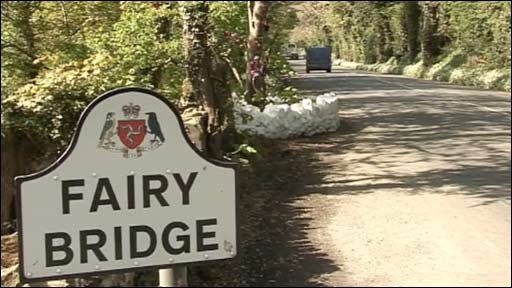
For the fourth sighting we’re back across the Atlantic on the Isle of Man in the 1970s. The respondent is a male, then in his thirties who was travelling in a taxi across The Fairy Bridge over the Santon Burn, where it is a custom among the Manx people to greet the faeries with a wave as the bridge is crossed. The experience was shared with the taxi driver, and it is an interesting example of possible psychological suggestion, where the cogitation of faeries may have conjured up an actual encounter:
#160 “I was in a taxi driving from a farm back to my hotel in Castletown. The driver told me of the story of the Fairy Bridge and gave the greeting as we crossed it. A few minutes later I saw in the headlights and several feet ahead of the car three strange forms going across the road. They were not humanoid in shape but looked as though they were flat rather than 3D and had a jagged outline about eight inches or so high. Strangely they appeared in the headlights to be bright pink! The driver saw this too but couldn’t explain it. They were six to eight inches tall and maybe five inches broad but like a flat sheet of fluorescent pink card with jagged edges. However they moved in a procession of three from the left to the right of the country road. The comments made earlier by the driver suggested fairies but it could have been something else. This memory has lasted clearly for many years. By nature I am sceptical and I have always tried to examine things with a view to finding an explanation. I never have been able to find one for this.”
‘The Fairy Bridge’, Isle of Man
Themes and Drifts in the Census
Many of the census reports date to the late 20th and 21st centuries, and so are relatively recent events in the lives of those reporting them, but there remains the problematic relationship between memory and what really happened. The plasticity of memory has become a well-studied psychological trait, and, of course, the further back in time the memory extends the more likely it is that extraneous elements are introduced into the remembered event, as well as the likelihood that parts of the experience become forgotten, or even suppressed. However, while allowances need to be made for skewed recollection, there is a resonant theme among the reports of the encounters being special events that have made an important impact on the respondents. These were numinous events, which due to their non-ordinary nature, have become important to the people recounting them. This may give more credence to our accepting the accounts as honest assessments of what happened, or at the least, what the respondents thought happened. And while a small number of reports might be put down to over-imaginative people misrepresenting an extraordinary experience, it becomes more difficult to write off c.500 statements from people who have taken the time and effort to communicate what appear to be vivid memories. They are also memories that in general seem meaningful and substantial to the respondents. The comment from the woman in report #114 that the experience marked a turning point in her life is a frequent refrain through the census. This is a significant point that will be discussed later. So while acknowledging the vagaries of memory, but accepting that the reports are conveying significant experiences in the lives of the individuals taking part in the survey, what are some of the thematic tropes that stand out in the census?
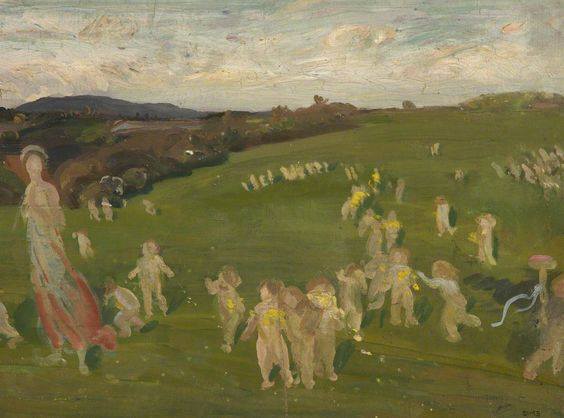
‘Fairies Appear’ by Charles Sims (1900)
A consistent theme in many of the testimonies is disbelief at the unexpected appearance of entities that are not supposed to be part of physical reality. And yet the reality of the experience remains vivid, even (and allowing for the afore-discussed plasticity of memory) when the event happened several decades ago, as is the case in report #18, from a woman who was in her teens during a family holiday in Cornwall in the 1970s:
“I was walking a few steps ahead of my mum and sisters… when I saw a gnome sitting by the side of the path. It was so unexpected; I think I remember feeling scared – or wondering if I was seeing things or going mad? I took another couple of steps and I saw his nut brown wizened face in detail. He was cheekily grinning at me. He had a mossy brown beard and dark brown shining eyes; he was wearing a peaked hat (brown) and a shiny jacket and trousers in shades of brown and ochre. I’d say he was about twelve- to fourteen-inches tall. I (literally) could not believe my eyes. I was even too amazed (dumbstruck is apt here) to turn around and tell my family to ‘look at the gnome’ by the path. Then the gnome cocked his head (again, cheekily), turned his back on me and kind of changed/melted (transmogrified?) into an old tree stump.”
Another woman reported an experience (#82) on Hampstead Heath, London, when she was eighteen in 1987. She was keen to verify her sanity: “I have only told a small handful of people about my faerie experiences, most folk would think I’m nuts, and I’m definitely quite sane, well educated, thoughtful and quite open minded. I’ve never been on any psyche drugs ever, or seen any doctor for mental health conditions.” Her experience made her “rub her eyes in disbelief’:
“I was at a festival on Hampstead Heath in the summer. They told us we couldn’t camp, so we made a makeshift shelter out of an old carpet and climbed under it. We were in the woods on the Heath. As dawn broke and the first shafts of sunlight poured between the leafy canopy above I could see things moving around in the branches. They were pale green and almost transparent in their delicacy. Around fifty or sixty little dryads staring down from the leafy boughs staring at me. They were almost camouflaged by the trees. They had kind little faces and were scurrying around trying to get a better look at us. The light coming from the trees was quite strange and there was early morning mist in the freezing cold woods. I just lay there staring at them totally mesmerised.”
The feeling of incredulity by respondents at the faerie encounters is often coded with assurances to the census that they are not suffering any type of psychosis. There is evidently a sense that the experiences are paranormal, and therefore outside the remit of an accepted materialist worldview, which may open them up to ridicule or disdain. Indeed, there is a persistent drift in the reports where the experiencers are keen to make known that their encounters were singular events in lives otherwise devoid of faerie, or supernatural, occurrences. They weren’t taking psychotropic drugs (with a few exceptions, discussed below), they are not insane or prone to hallucinations, and they usually see the experience as a special event in otherwise normal lives.
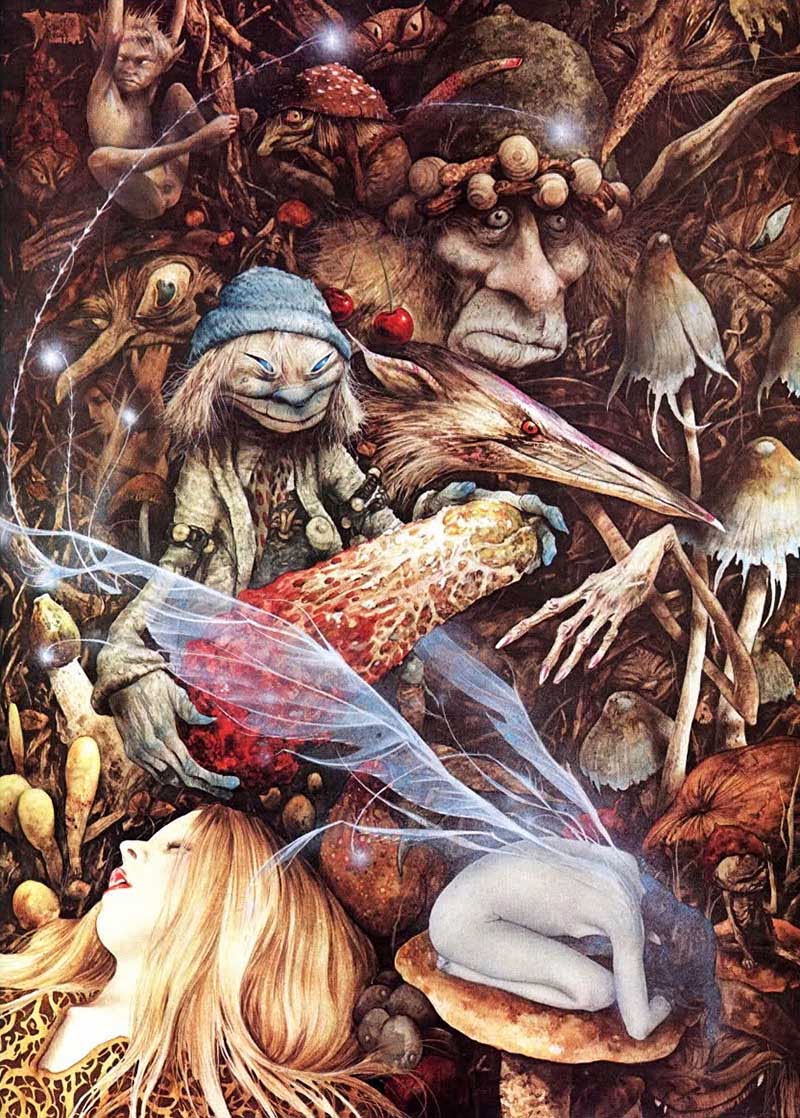
Particularly interesting is the ontology of faerie types described in the reports. There is quite a wide range of forms, but there is a predominance of what may be called traditional folkloric faeries and also a variety of winged faeries that may conform to a Victorianised stereotype: “Like beautiful little tiny women with clear wings” (#211, Canada); “He was about six inches long, with a set of double wings like a dragonfly’s” (#327, New Jersey, US); “The wings were large and flapped – she hovered in the same spot right in front of me for about twenty seconds. I could tell it was a female from her shape and long hair. The size was approximately twenty centimetres in body length, but the wingspan around sixty centimetres” (#179, Scotland). These are some typical descriptions of winged faeries from the census. In all, a little under 40% of respondents described the faeries they experienced as having some form of wings. Rather less described archaic clothing, but there is a strain of descriptions running through the census that depict the faeries as wearing ‘old-fashioned’ or ‘antiquated’ clothes, usually worn by entities that were almost human, but differentiated by their size or mutated features. A female in her twenties from Georgia, US (#256), even described her folkloric-style, three-foot high visitor as “like a classic Brian Froud illustration of a Gnome.” He had: “rustic clothes: pants, shirt, vest and slouchy leather hat. The pants and vest seemed a brownish green, the shirt pale. The hat was a russet color. His eyebrows were bushy, hair long, unkempt and both brows and hair were white.”
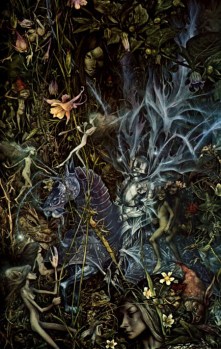
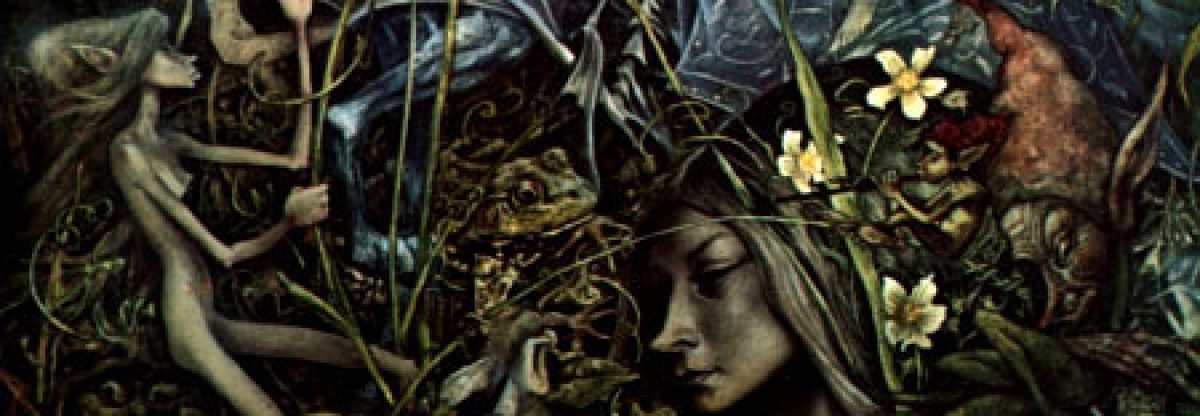
Some gnomic and winged faeries from Faeries by Brian Froud and Alan Lee
Are these faeries a transference of expectations, or are they simply what the entities look like? Some respondents make clear that they are familiar with folkloric faeries or that they are acquainted with the idea that the faeries are winged creatures in the style of Victorian or 20th-century representations. But for the most part it is not evident how culturally-coded they were before their experience. We will come on to what this might mean in terms of the reality of the experiences.
As discussed, most respondents are describing experiences that were spontaneous and unexpected. Only two reports are from people who had actively altered their states of consciousness by taking psychotropic substances, in both cases psilocybin mushrooms (a male in his teens during the 2000s from Powys, Wales, #189, and a male in his forties in 2010 from California, US, #240). Interestingly, the Welsh respondent suggests that the faerie encounter was different from the rest of his psychedelic experience, standing out as something apparently less subjective – not an internalised vision, but rather something that seemed to happen in external physical reality:
“I noticed these small two-dimensional creatures walking in procession in the grain of wood on a chest of drawers. There was one larger member of the procession that appeared to be female and in charge. The entities had long pointed noses, appeared organic, like beautiful little goblins, and were sort of swirling along in their procession. The largest one turned to look at me, noticed I was looking, and then continued with its procession. I shouted out to the other two people in the room ‘I can see fairies,’ because I didn’t know what else to call them. The fairies just continued to move along the grain of the wood, and I stopped paying attention to them. It was a strange experience – they seemed to be different to the rest of the psychedelic experience because they were moving along with deliberate intent, and seemed to possess a consciousness of their own. They clearly noticed me, but were not concerned that I had spotted them. The memory is still very vivid in my mind. [They were] like small, two-dimensional, beautiful goblins. They had long pointed noses.”
The Californian male (who shared the experience with his girlfriend) describes an interaction with a strange humanoid entity: “naked except for a pair of leather Celtic or pagan shorts (or maybe more like a loincloth?), like you’d see at the Renaissance Faire, and a leather vest (of similar style) that was fully open.” He had pointed ears and exuded a “glamour and repulsiveness” that marked him out as otherworldly to the respondent. It is fair to say that while both these encounters bear the hallmarks of the world seen through psychedelic trippiness, if the respondents had failed to disclose their mushroom intake, the reports would not be out of place among the rest of the census in terms of the phenomenology of experience.
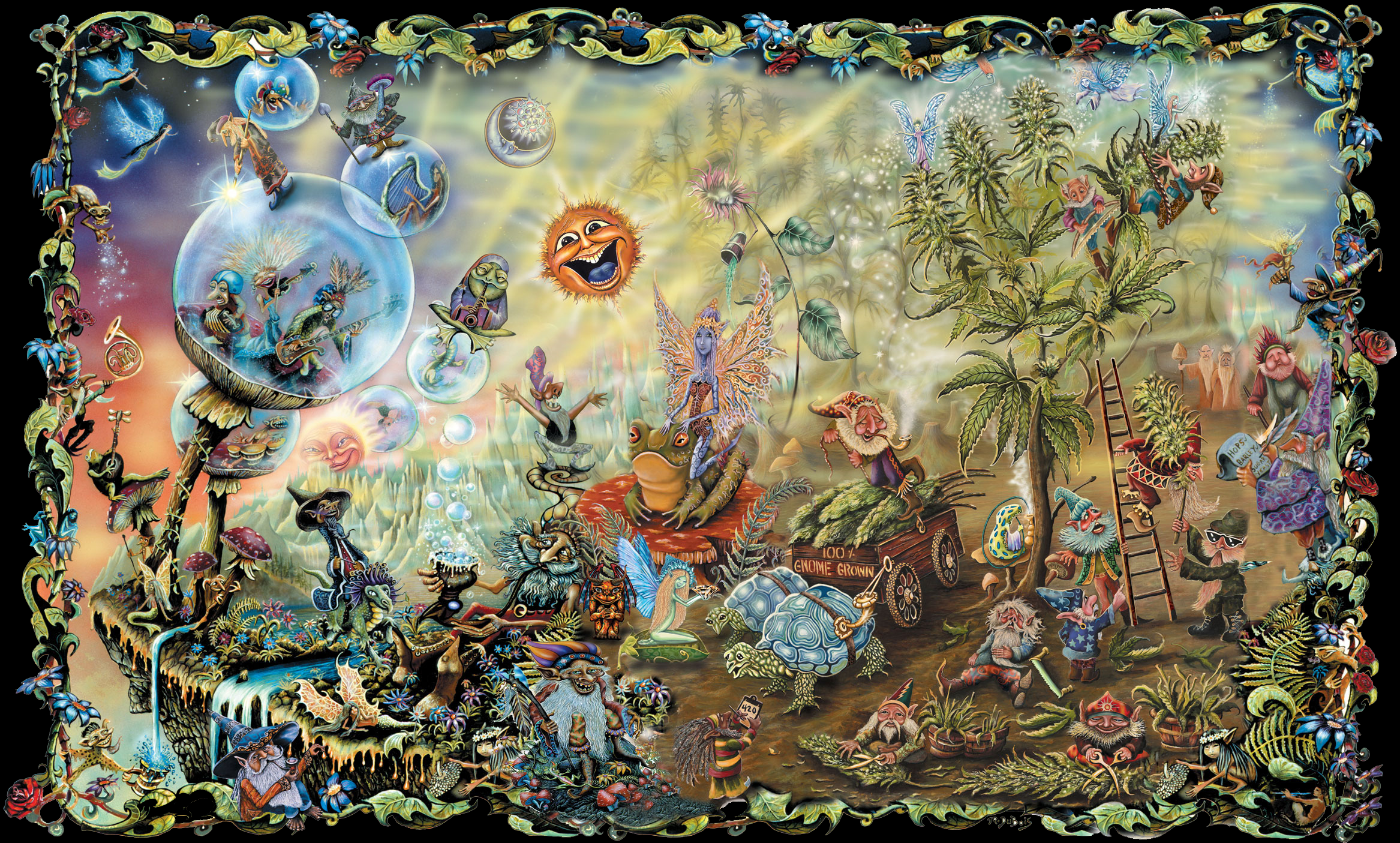
A Californian psychedelically-induced faerie world transformed into a jigsaw puzzle
This phenomenology is shared relatively equally between males and females (a ratio of c.35m-65f), and whilst there is a diverse age range of respondents, all testimonies are from adults, with about 20% of accounts made retrospectively from when they were children. The census questionnaire also asked each person to explain what they thought the faeries are, based on their experiences. A small number of testimonies suggest uncertainty as to whether the encounters happened in a dream, but the majority report incidences that seem to have taken place in what was perceived as physical reality. And while many people express no opinion about what their encounters represented (some simply state that they don’t know what faeries are), the predominant ideas expressed by respondents are that the faeries are either nature spirits (or elementals) or that they are inter-dimensional beings, interacting with consensus reality in an undefined way.
Most of the descriptions of the faeries as nature spirits take place in natural environments, and there is quite a diversity of visual and audial types of experience. They range from the typical small flower faerie type through to orbs of light, and a few encounters have no visual component but consist of tinkling bells, harmonious music or voices with no apparent source (music and bells often accompany visual experiences as well). A female in her thirties from Sydney, Australia (#468) sums up what many of the respondents thought of their contact with somewhat amorphous faeries in nature: “I believe they were nature spirits – I was in nature in their habitat. [Faeries are] nature spirits. They are there to protect nature.”
And a sizeable minority of respondents suggested that the faeries encountered were inter-dimensional beings. These were most often people who disclosed an interest in esoteric phenomena of some sort. Among these accounts there is a mixture of interpretations as to whether this meant the entities were actually present in physical reality after morphing from an extra-physical location, or whether the human participant was engaging with them in their own realm for a period of time. A few respondents suggest that the meeting ground is consciousness itself, with the possibility that a larger ‘Over-Mind’ is the space where humans and faeries can connect. A woman from Wales articulated her thoughts on this after an encounter during the 1990s with a zoomorphic entity, when she was a teenager:
#191 “[Faeries are] other dimensional beings, linked to our earth also, and our psyches, they seem to reflect our inner hidden natures. I am very interested in the awakening of the ufo/alien/faery connection worldwide and the connection to multi-verse theories and other dimensions… Could it be the same thing? How is our human consciousness connected? For we are [connected] or we wouldn’t have these experiences.”
These personal interpretations of faerie encounters also frequently include the recognition that the event was life-changing, or at the least, a special moment in the respondents lives. The mere fact that they took the time to respond to the census, is suggestive of the personal importance of their encounters. This significance is another theme running through the census, and tallies with many people who experience a numinous event in their lives. But if we move on from the subjective perceptions included in the reports, is it possible to get behind the phenomenon and make some assessments of what it means and where it comes from?
A Numinous Zone
A useful place to start might be to utilise David Luke’s three-part interpretation for metaphysical entity contact. He used it to assess a study into the otherworldly beings (many of which had faerie-attributes) encountered by people who had altered their states of consciousness with the potent psychedelic compound dimethyltryptamine (DMT), but it is also a valid tool to evaluate what may be happening to anyone who reports a numinous experience that includes interaction with non-ordinary entities:
They are hallucinations. The entities are subjective hallucinations. Such a position is favoured by those taking a purely (materialist-reductionist) neuropsychological approach to the phenomena.
They are psychological/ transpersonal manifestations. The communicating entities appear alien but are actually unfamiliar aspects of ourselves, be they our reptilian brain or our cells, molecules or sub-atomic particles.
The entities exist in otherworlds and can interact with our physical reality. A numinous experience provides access to a true alternate dimension inhabited by independently existing intelligent entities in a stand-alone reality, which exists co-laterally with ours, and may interact with our world when certain conditions are met. The identity of the entities remains speculative.
Of course, all three interpretations may be true at different times and under various circumstances. From a materialist-reductionist standpoint, all of the experiences in the census could be reduced to hallucinatory events. There is no physical residue as an after-effect of the interactions, and the reports are all limited to visual and audio experiences. While the specific adjuncts allowing for the hallucinations to take place cannot be properly analysed, seeing them all as aberrations of visual and audial fields remains one legitimate interpretation. This reductionist standpoint becomes more difficult to apply in the cases of shared experiences, of which there are several in the census (including #160 and #240, discussed above). Although even these could be put down to psychological suggestion, transferred from one participant to another.
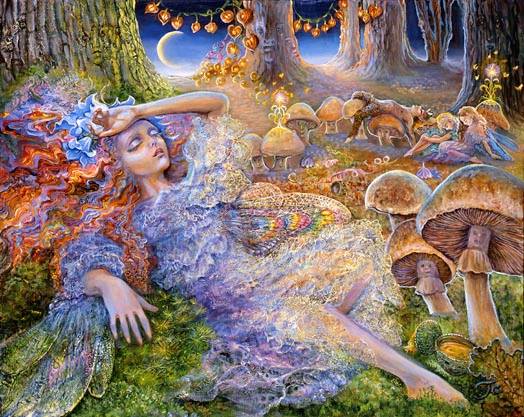
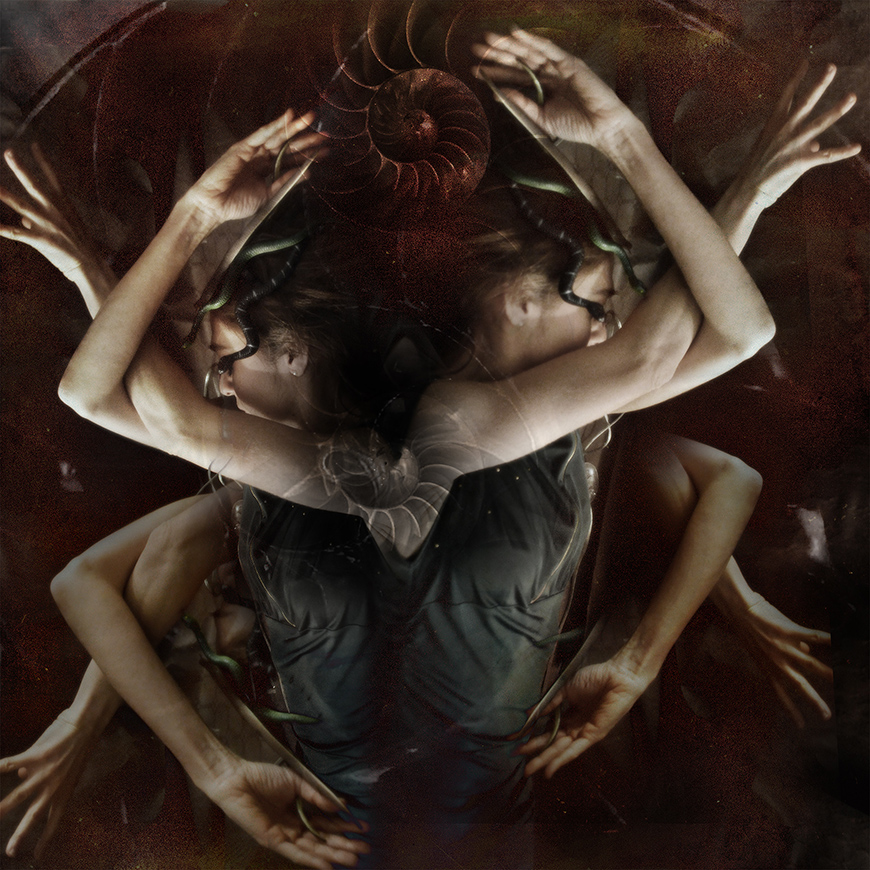
‘Walking on the Edge of Your Mind’ by Ylenia Viola
This explanatory model is reliant on the theory that consciousness is an epiphenomenon of the brain. The implication is that the brain, for whatever reason, is misconstruing sensory input from a physical world where things like faeries simply do not exist. This is the hard and fast materialist-reductionist standpoint, which is deeply embedded in Western culture. But it is a standpoint that is challenged at a fundamental level not only by religious and mystical traditions, but also by a recently reinvented philosophy of Kantian Idealism and by a growing number of quantum physicists, who (using a wide range of methodologies) suggest that the brain is a reducer of consciousness, not a creator of it.* This model sees consciousness (not matter) as primary; it is everywhere and it is everything, and individual human (and animal) brains are merely conveying it within the remit of what then becomes physical reality. For the most part, this physical reality has a closely defined rule-set, but under certain conditions the usual laws break down and metaphysical events can occur. These supernatural occurrences are thus as legitimate as any natural occurrence. The philosopher Jeffrey Kripal describes this in relation to traumatic episodes that cause apparently non-ordinary experiences in his 2017 book written with Whitley Streiber, The Super Natural: Why the Unexplained is Real:
“The body-brain crafts consciousness into a human form through a vast network of highly evolved biology, neurology, culture, language, family, and social interactions until a more or less stable ego or ‘I’ emerges, rather like the way the software and hardware of your laptop can pick up a Wi-Fi signal and translate the Internet into the specificities of your screen and social media. The analogy is a rough and imperfect one, but it gets the basic point across. Sometimes, however, the reducer is compromised or temporarily suppressed. The filtering or reduction of consciousness does not quite work, and other forms of mind or dimensions of consciousness, perhaps even other species or forms of life, that are normally shut out now ‘pop in.’ In extreme cases, it may seem that the cosmos itself has suddenly come alive and is all there. Perhaps it is.”
While the census respondents did not (with a few exceptions) report their encounters as the result of any trauma, the preternatural events they experienced could be interpreted, using the Idealism theory, as something metaphysical being allowed to ‘pop in’ from either a greater, transcendent form of consciousness, or from an alternative reality to which humans do not usually have access. This would fit with either of David Luke’s second and third interpretations for supernatural entity contact. Simply put, a numinous zone has been entered and the participant is able to make contact with what usually resides external to their ordinary consciousness.
Apart from the two instances of respondents who had altered their state of consciousness with psilocybin mushrooms, the emotional condition of the people reporting the experiences remains largely undisclosed. We are sometimes given hints that they were calm, relaxed, anxious or unhappy, and for those reporting encounters in nature there is often a description of feeling contentment prior to the experience, but there is little to suggest any radical alteration of consciousness before the appearance of the faeries. The events just happened spontaneously. Whether they were aberrant hallucinations or numinous moments allowing access to otherworldly dimensions, it would appear that people from a diverse range of backgrounds and geographical locations experience the faeries in contemporary societies, much in the same way they have done for several centuries, perhaps even millennia.
Experiences in numinous zones could be extended to a variety preternatural encounters, from ghost apparitions through to Near Death Experiences and UFO abduction scenarios, but it would seem that the faeries, as an ontological taxonomic, remain a consistent, even persistent, form of entity that interact with our consensus reality. While reports of the faeries from history have often been turned into folkloric stories (frequently with a moral lesson inserted into the plot line), modern encounters, such as those from the census, usually take the form of anecdotal testimony. But the phenomenological types of faeries retain an adherence to their folkloric roots. They can receive an updated appearance, and cultural coding, but they remain recognisable as faeries. Graham Hancock has summed up what may be happening if we allow the faeries some type of metaphysical reality; from his 2005 book Supernatural:
“If we are prepared to set aside the automatic scepticism and reductionism of our age, and if we spell out the problem in plain language, then we find that we are contemplating the existence of highly intelligent discarnate entities belonging to an order of creation fundamentally different than our own… it really is almost as though the beings we are dealing with have been changing and developing alongside us for thousands of years, and that they therefore cannot simply be mass delusions, but must have a definite, independent reality outside the human brain.”
Whatever their true nature, it seems that for the faeries to make contact with humanity they require our consciousness to become loosened from its usual restraints, and to enter a numinous zone. If the model of reality affirmed by Idealism is correct, then this zone may be allowing us to access a greater Over-Mind, where exist entities that represent either a stand-alone autonomous class of their own, or perhaps aspects of the human collective consciousness (as explicated by Carl Jung), which is usually filtered out through the reducing valve of the brain. But even if this is correct, the question remains: why? What purpose are these encounters serving? And is there a meaning to it? Unfortunately, these are very big questions and beyond the scope of this present article. So, with the promise of exploring this in more detail in a future article, we’ll end with a somewhat Cosmic hypothesis, initially intimated by Terence McKenna, Rupert Sheldrake and Ralph Abraham in their 1998 book The Evolutionary Mind: Conversations on Science, Imagination & Spirit, but recently fleshed out in some more detail by Jeffrey Kripal. It opens up the possibility that the census respondents, and innumerable people before them, are tapping into a truly transcendent phenomenon when they find themselves in a numinous zone. Kripal explains it thus:
“I want to be explicit. I want to propose the idea that a rare but real form of the imagination may be what the conscious force of evolution looks like. And by ‘looks like,’ I mean two things: how the evolutionary force appears to a human mind in a particular culture; and, with a bit of a trippy twist now, how the evolutionary force itself ‘sees.’ I mean both sides of the two-way mirror. I mean both the reflecting back and seeing through. The second meaning of ‘how the evolutionary force itself sees’ shifts the conversation to new territory. That new territory involves the possibility that, in very special moments, the human imagination somehow becomes temporarily empowered, and functions not as a simple spinner of fantasies (the imaginary) but as a very special organ of cognition and translation (the symbolic), as a kind of supersense that is perceiving some entirely different, probably non-human or superhuman order of reality, but shaping that encounter into a virtual reality display in tune with the local culture: in short, a reflecting back and a seeing through at the same time.”
As linked at the beginning of this article, the Fairy Census can be downloaded for free at The Fairy Investigation Society’s website. It includes an introduction and explanation of the collection/editorial methodologies by Simon Young. The census was conducted between 2014-17, and there are plans afoot for a further survey. Look out for information on the website and also updates on The Fairy Investigation Society’s Facebook page.
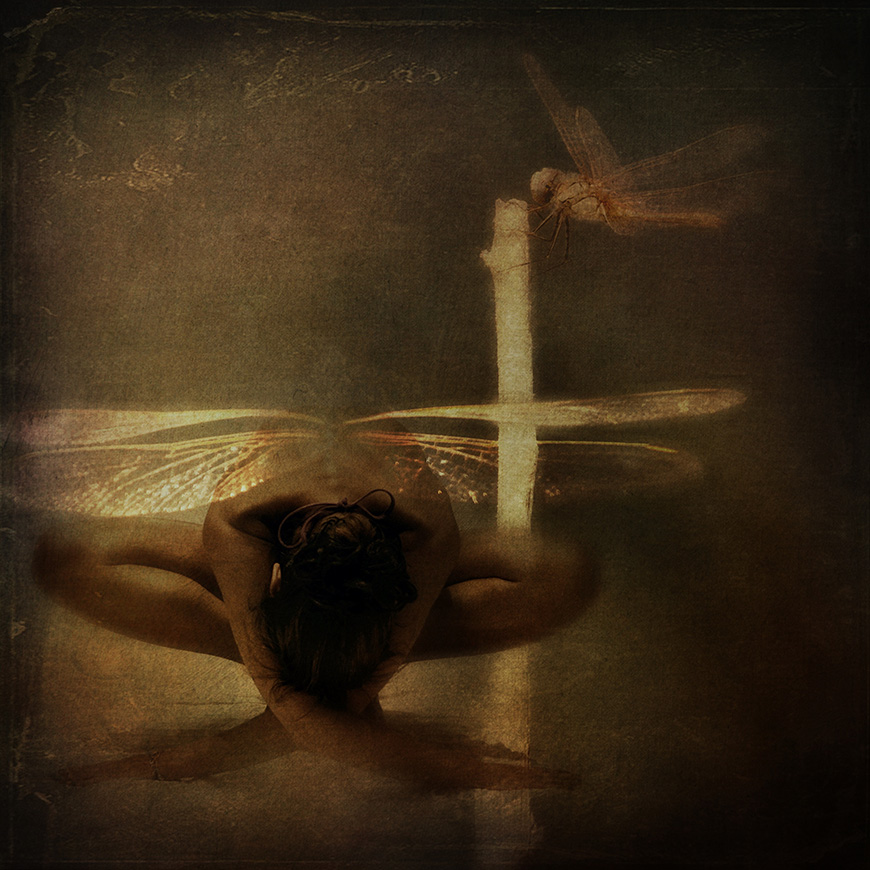
The cover image, A.I.R., is by the preternaturally talented photographer and artist Ylenia Viola, whose artwork can be found at her website: Fairytalesneverdie. Deadbutdreaming thanks Ylenia for permission to use her images.
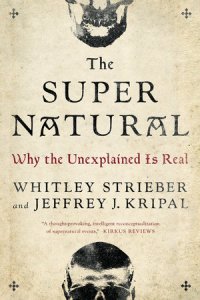 “The body-brain crafts consciousness into a human form through a vast network of highly evolved biology, neurology, culture, language, family, and social interactions until a more or less stable ego or ‘I’ emerges, rather like the way the software and hardware of your laptop can pick up a Wi-Fi signal and translate the Internet into the specificities of your screen and social media. The analogy is a rough and imperfect one, but it gets the basic point across. Sometimes, however, the reducer is compromised or temporarily suppressed. The filtering or reduction of consciousness does not quite work, and other forms of mind or dimensions of consciousness, perhaps even other species or forms of life, that are normally shut out now ‘pop in.’ In extreme cases, it may seem that the cosmos itself has suddenly come alive and is all there. Perhaps it is.”
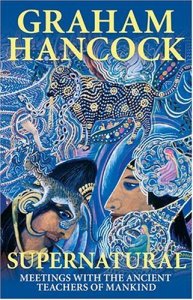 “If we are prepared to set aside the automatic scepticism and reductionism of our age, and if we spell out the problem in plain language, then we find that we are contemplating the existence of highly intelligent discarnate entities belonging to an order of creation fundamentally different than our own… it really is almost as though the beings we are dealing with have been changing and developing alongside us for thousands of years, and that they therefore cannot simply be mass delusions, but must have a definite, independent reality outside the human brain.”
 deadbutdreaming